
Get Answers to Your Tenerife Rental Questions
Are you planning to rent a home in Tenerife but unsure where to start? Moving to a new country can feel overwhelming, especially when navigating unfamiliar rental laws and cultural differences. This guide is here to simplify the process and provide you with the advice you need to make informed decisions.
Renting in Tenerife comes with its unique challenges, from understanding Spanish rental agreements to adapting to local customs. By asking the right questions and clarifying expectations upfront, you can avoid common pitfalls and ensure a smooth tenancy experience.

Whether you’re curious about costs, contracts, or local amenities, this guide covers everything you need to know. Let’s dive in and help you find the perfect place to call home in Tenerife.
Key Takeaways
- Understand Spanish rental laws to protect your rights as a tenant.
- Clarify rental terms and maintenance responsibilities to avoid disputes.
- Research local amenities to ensure a comfortable living experience.
- Budget effectively by considering all costs, including utilities and council taxes.
- Communicate clearly with landlords to establish mutual understanding.
Got questions about renting in Tenerife? We’ve got answers!
Renting a property in Tenerife can be straightforward—if you address potential uncertainties before signing. Over 60% of tenancy disputes arise from unclear agreements, making it crucial to scrutinise every detail.

Why Thorough Questions Matter
One tenant faced a nasty surprise: an extra €400 monthly for comunidad fees (building maintenance) not mentioned in their contract. Spain’s Urban Lease Law (LAU) protects renters, but only if terms are transparent from the start.
Key checks to avoid surprises:
- Verify fees: Ask if comunidad, utilities, or taxes are included.
- Inspect noise levels: Visit the house at different times—lively areas may disrupt sleep.
- Compare listings: Some agents use outdated photos. Always view in person.
How This Guide Helps
We’ll walk you through critical agreement clauses, from deposit rules to maintenance duties. Knowing these things ensures you and your landlord start on the same page—literally.
Understanding rental costs in Tenerife
Breaking down rental expenses in Tenerife helps you avoid unexpected surprises. Knowing what’s included in the monthly rent and additional fees ensures you can budget effectively. Let’s explore the key financial aspects of renting in this beautiful island destination.

What’s Included in the Monthly Rent?
The base rent typically covers the property itself, but it’s important to clarify what else is included. Some landlords may bundle utilities like water or electricity, while others leave these as separate payments. Always ask for a detailed breakdown to avoid confusion.
Additional Fees Like Comunidad and Utilities
In many Tenerife properties, especially coastal complexes, you’ll encounter comunidad fees. These cover shared services like maintenance, security, and cleaning. These fees can vary widely, so it’s wise to negotiate their inclusion before signing the contract. Additionally, utility transfers (electricity, water, and internet) are often the tenant’s responsibility.
Are There Hidden Costs Beyond the Deposit?
Beyond the standard one-month security deposit, some landlords may request a guarantee deposit. This is an extra amount held as insurance against damages or unpaid bills. Always clarify deposit terms to avoid unexpected financial strain. For British renters, converting pounds to euros can also impact your budget, so factor in exchange rates.
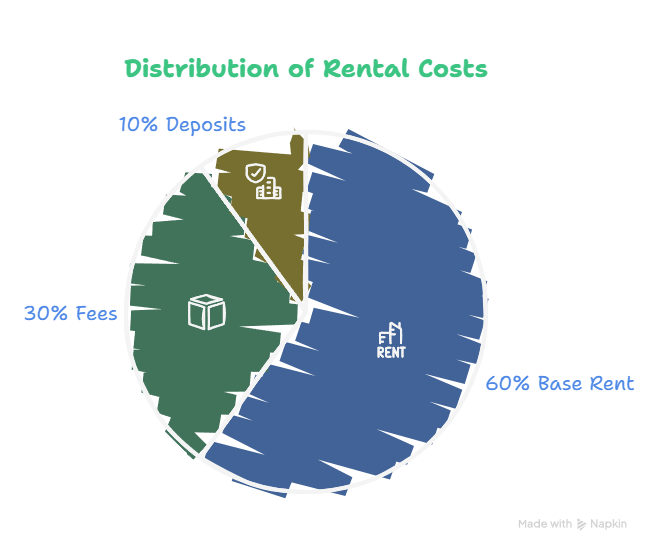
- Typical cost split: 60% base rent, 30% fees, 10% deposits.
- Comunidad fees: Complex structures in coastal areas can be higher.
- Negotiation tip: Discuss fee inclusions before signing the contract.
- Hidden costs: Watch out for guarantee deposits beyond the standard security.
Key clauses in your rental agreement
Understanding the key clauses in your rental agreement is essential for a hassle-free tenancy. These terms outline your rights, responsibilities, and what to expect during your stay. Let’s break down the most critical aspects to look out for.
How Long Is the Lease and Can It Be Renewed?
Under Spanish law, residential leases typically last for a minimum of five years. This ensures stability for both tenants and landlords. If you’re renting from a company, the minimum term is seven years. After this period, the lease can be renewed automatically unless either party gives a 30-day notice of non-renewal.
Penalties for Early Termination
Breaking your rental agreement early can come with penalties. For example, leaving an 18-month contract prematurely might result in a £1,500 fine. Always clarify these terms before signing to avoid unexpected costs. Additionally, ensure you understand the notice period required for non-renewal to avoid disputes.
- Minimum lease terms: Five years for individuals, seven for companies.
- Penalty calculations: Fines vary based on the remaining lease duration.
- Notice requirements: Provide 30 days’ notice for non-renewal.
- Landlord differences: Individual landlords may offer more flexibility than companies.
Rules about pets and smoking
Navigating pet and smoking policies in Tenerife rentals can be tricky, but being informed makes all the difference. Whether you’re a pet owner or a vaper, understanding the rules ensures a smooth tenancy experience.
In popular tourist areas, around 60% of listings are pet-friendly. However, some “no pets” clauses may be hidden in community rules. Always review your rental agreement thoroughly to avoid surprises. If you’re a pet owner, clarify these terms before signing to ensure your furry friend is welcome.
Smoking bans can also be a point of contention. While smoking is often restricted in shared spaces, some bans may seem unreasonable. In such cases, you can challenge the ban by reviewing local regulations and discussing your concerns with the landlord or community board.
For vapers, compromise solutions like designated outdoor areas can help maintain harmony. This idea ensures both vapers and non-smokers feel comfortable in shared spaces.
Breaching community regulations can lead to fines. For example, violating noise ordinances or waste disposal rules may result in penalties ranging from £100 to £1,000. Always familiarise yourself with local rules to avoid such cases.
- Pet-friendly listings: Around 60% in tourist areas.
- Hidden clauses: Check community rules for “no pets” restrictions.
- Challenging bans: Review local regulations and discuss with authorities.
- Vaping solutions: Designated outdoor areas can help.
- Fines: Breaching rules may result in penalties up to £1,000.
By understanding these rules, you can ensure a hassle-free stay in Tenerife. Always communicate openly with landlords and review agreements carefully to protect your rights as a tenant.
Who handles repairs and maintenance?
When renting a property in Tenerife, knowing who handles repairs and maintenance is crucial for a stress-free experience. Spanish law, specifically the Urban Lease Law (LAU), clearly outlines the responsibilities of both landlords and tenants. Understanding these roles ensures you’re prepared for any issues that may arise during your tenancy.
Landlord vs Tenant Responsibilities
Generally, the landlord is responsible for structural repairs and major maintenance, such as fixing plumbing or electrical systems. However, tenants are expected to handle minor issues, like replacing light bulbs or unclogging drains. Always clarify these responsibilities in your rental agreement to avoid disputes.
What to Do in Case of Urgent Repairs
For urgent repairs, such as a burst pipe or power outage, the landlord must respond within 72 hours. If they fail to act, you can arrange the repair yourself and deduct the cost from your rent. Keep a list of trusted local plumbers and electricians for emergencies. Document all communication and repair requests in writing to protect yourself from invalid claims.
- 72-hour rule: Landlords must address critical repairs within this timeframe.
- Emergency contacts: Keep a list of reliable local service providers.
- Written records: Always document repair requests to avoid disputes.
- Template: Use a maintenance request email template for clarity.
By understanding these rules, you can ensure your property remains in good condition and handle issues efficiently. Proper communication and documentation save time and prevent unnecessary stress.
Inspecting the property before you sign
Before committing to a rental in Tenerife, thorough property inspection is essential. This step ensures you avoid unpleasant surprises and confirms the house meets your expectations. Taking the time to inspect carefully can save you from future headaches.
Checking for Noise and Condition Issues
Noise levels and overall condition are critical factors to assess. Visit the property at different times—morning, evening, and weekend—to gauge noise levels. Use a smartphone decibel meter to measure sound levels accurately.
Inspect the condition of walls, floors, and fixtures. Look for signs of dampness, cracks, or wear. Document any issues with timestamped photos to avoid disputes later.
Is the Property Truly Furnished as Admitted?
Furnished listings can sometimes be misleading. Verify that all advertised furniture and appliances are present and functional. Test appliances during your viewing to ensure they work properly.
Be aware of common furniture swap scams, where landlords replace high-quality items with cheaper alternatives. If something seems off, clarify with the landlord before signing.
- Viewing times: Morning, evening, and weekend visits provide a complete picture.
- Appliance checklist: Test all appliances during your inspection.
- Furniture scams: Watch for swapped or missing items.
- Documentation: Take timestamped photos to record the property’s condition.

By following these steps, you can ensure the property is exactly as advertised. This approach helps you make an informed decision and avoid potential issues during your tenancy.
Parking and transport options nearby
Exploring parking and transport options in Tenerife can make your daily life much easier. Whether you’re driving or relying on public transport, understanding the local setup ensures you save time and avoid unnecessary stress.
In popular areas like Costa Adeje, finding parking can take up to 20 minutes, especially during weekends. Santa Cruz, on the other hand, offers more parking sites but often at a higher cost. Always check availability before committing to a property.
Public transport is a reliable alternative. Buses are affordable, with fares starting at €1.50, while trams offer a quicker service for longer distances. Taxis are convenient but can be pricey, so plan your budget accordingly.
Weekend parking can be a nightmare in tourist hotspots. One resident shared,
“I spent 30 minutes circling the block before finding a spot—it’s a common struggle.”
To avoid this, consider applying for a resident parking permit, which grants access to designated areas.
If you prefer a car-free lifestyle, neighbourhoods like La Laguna and Puerto de la Cruz are excellent choices. These areas boast efficient transport links and pedestrian-friendly streets, making them ideal for those who don’t drive.
- Parking search times: Costa Adeje (20 minutes), Santa Cruz (10 minutes).
- Public transport costs: Bus (€1.50), tram (€2.50), taxi (€15+).
- Weekend parking: Tourist areas are often crowded.
- Resident permits: Apply through local councils for priority parking.
- Car-free areas: La Laguna and Puerto de la Cruz are top picks.
Local amenities for daily life
Living in Tenerife offers a unique blend of convenience and charm, especially when it comes to local amenities. Whether you’re settling into a new home or exploring the island, knowing where to find essential services can enhance your daily experience.
Supermarkets and shops
When it comes to groceries, Tenerife boasts a variety of options. Two major chains, Mercadona and HiperDino, dominate the market. Mercadona is known for its affordable prices and wide range of products, while HiperDino offers a more local shopping experience.
For fresh produce, local markets like Mercado Nuestra Señora de Africa are a must-visit. Here, you’ll find everything from seasonal fruits to artisanal goods. Insider tip: Visit early in the morning for the best selection.
- Mercadona: Affordable and extensive product range.
- HiperDino: Offers a more local shopping experience.
- Local markets: Best for fresh produce and artisanal goods.
Schools and green spaces
If you’re moving with children, South Tenerife is home to some of the best international schools. These institutions offer high-quality education and a multicultural environment, making them an excellent choice for expat families.
Green spaces are abundant, with parks like Parque García Sanabria offering a peaceful retreat. Be cautious of properties claiming to be a “15-minute walk” to parks, especially in hilly areas. Always verify distances yourself.
- International schools: Ranked highly in South Tenerife.
- Parks: Abundant but verify walking distances.
- Green spaces: Essential for a balanced lifestyle.
For more detailed information on local amenities, check out this helpful guide. Knowing your surroundings ensures a smooth transition and a comfortable living experience in Tenerife.
Short-term vs long-term rental laws
Understanding the differences between short-term and long-term rental laws in Tenerife is essential for a smooth experience. Whether you’re planning a holiday stay or a longer tenancy, knowing the legal framework helps you avoid potential pitfalls.
Legal Licences for Holiday Lets
If you’re considering a holiday let, be aware that 87% of “bargain” rentals lack proper licences. In Tenerife, properties must have a VV, MA, or VE licence to operate legally. These licences ensure the property meets safety and quality standards.
The application process involves submitting detailed property information to local authorities. Approved properties are listed on official registries, so always verify the licence before booking. Working with approved agencies can save you from legal headaches.
Risks of Illegal Subletting
Illegal subletting is a significant risk in Tenerife’s rental market. Unlicensed properties can lead to fines of up to €30,000 for both landlords and tenants. Additionally, rental pool scams in Costa Adeje complexes often promise high returns but fail to deliver.
To protect yourself, always check the property’s legal status and avoid deals that seem too good to be true. Here are some key points to remember:
- Verify licences: Ensure the property has a valid VV, MA, or VE licence.
- Avoid scams: Be cautious of rental pool schemes in coastal complexes.
- Use approved agencies: Stick to reputable agencies for legal holiday lets.
By understanding these laws, you can enjoy your stay in Tenerife without legal or financial stress. Always prioritise transparency and due diligence when choosing a rental property.
Dealing with landlords and agents
Dealing with landlords and agents in Tenerife requires clear communication and awareness of your rights. Whether you’re negotiating fees or addressing rule changes, understanding the dynamics can save you from potential disputes. Let’s explore how to navigate these relationships effectively.
Can You Negotiate Community Fees?
Community fees, or comunidad charges, are a common expense in Tenerife rentals. These fees cover shared services like maintenance and security. While they’re often non-negotiable, some landlords may be open to discussions, especially if you’re signing a long-term agreement.
Success rates for fee reductions vary, but presenting a well-reasoned case can help. For example, if the property requires significant upkeep, you might argue for a lower fee. Use a professional fee negotiation letter template to make your request clear and concise.
- Negotiation tips: Highlight your long-term commitment and the property’s condition.
- Red flags: Be cautious of landlords who refuse to provide a breakdown of fees.
- Template: Include your reasoning, proposed fee, and willingness to compromise.
What If the Rental Pool Rules Change?
Rental pool agreements in Tenerife can be complex, and rule changes are not uncommon. Some contracts include loopholes that allow landlords or management companies to alter terms without notice. This can leave tenants in a difficult position.
To protect yourself, review the agreement carefully before signing. Look for clauses that address rule changes and dispute resolution. If changes occur, the Canary Islands housing authority can mediate, ensuring your rights are upheld.
- Contract review: Identify clauses that allow rule changes.
- Dispute resolution: Contact the housing authority for mediation.
- Predatory practices: Avoid management companies with a history of unfair terms.
By staying informed and proactive, you can build a positive relationship with your landlord and ensure a hassle-free rental experience in Tenerife.
Red flags to watch out for
Spotting red flags early can save you from rental scams in Tenerife. Being aware of common warning signs ensures you protect your money and have a positive rental experience. Here’s what to look out for:
Scammers often use specific phrases to lure unsuspecting tenants. If you hear any of these, proceed with caution:
- “I need a deposit upfront to secure the property.” Legitimate landlords rarely ask for deposits without a signed contract.
- “The property is available immediately; no need to view it.” Always inspect the property in person to avoid fake listings.
- “I am out of the country and cannot meet in person.” This is a common excuse to avoid verification.
- “The rent is significantly below market value.” Unrealistically low prices are often a scam tactic.
- “I have multiple interested parties; act quickly.” Scammers create urgency to pressure you into hasty decisions.
Verifying a landlord’s credentials is crucial. Always ask for proof of ownership, such as a title deed or utility bill in their name. Check if they’re registered with local authorities and review the tenancy agreement thoroughly.
Be cautious of fake deposit protection schemes. Genuine schemes are registered with local housing authorities. If the terms are unclear or you’re pressured to join immediately, it’s likely a scam.
If you encounter anything else suspicious, report it to the Tenerife fraud hotline. Contact the National Police at 091 or the local Consumer Affairs Office for assistance. Staying informed and vigilant ensures a safe rental process.
Conclusion: Renting in Tenerife with confidence
Renting in Tenerife can be a rewarding experience with the right preparation. By following key verification steps, such as inspecting the property and reviewing the rental agreement, you can avoid common pitfalls. Legal checks are essential to ensure the property meets all regulations and your rights are protected.
Consider using bilingual solicitors to navigate the process smoothly. They can provide valuable advice and ensure all documents are clear and accurate. For ongoing tenancy support, resources like local housing authorities and expat communities can be incredibly helpful.
Take your time to make informed decisions. Whether you’re staying for a year or longer, a well-planned rental experience ensures peace of mind. With the right approach, you can enjoy your new home in Tenerife with confidence.